"Retratos Plásticos" Connects 1,500 Students and Teachers to Art History Through a 3D Virtual Gallery
Eduardo Srur's project brought together technology, workshops using plastic waste, and group exhibitions at three CEUs in São Paulo.
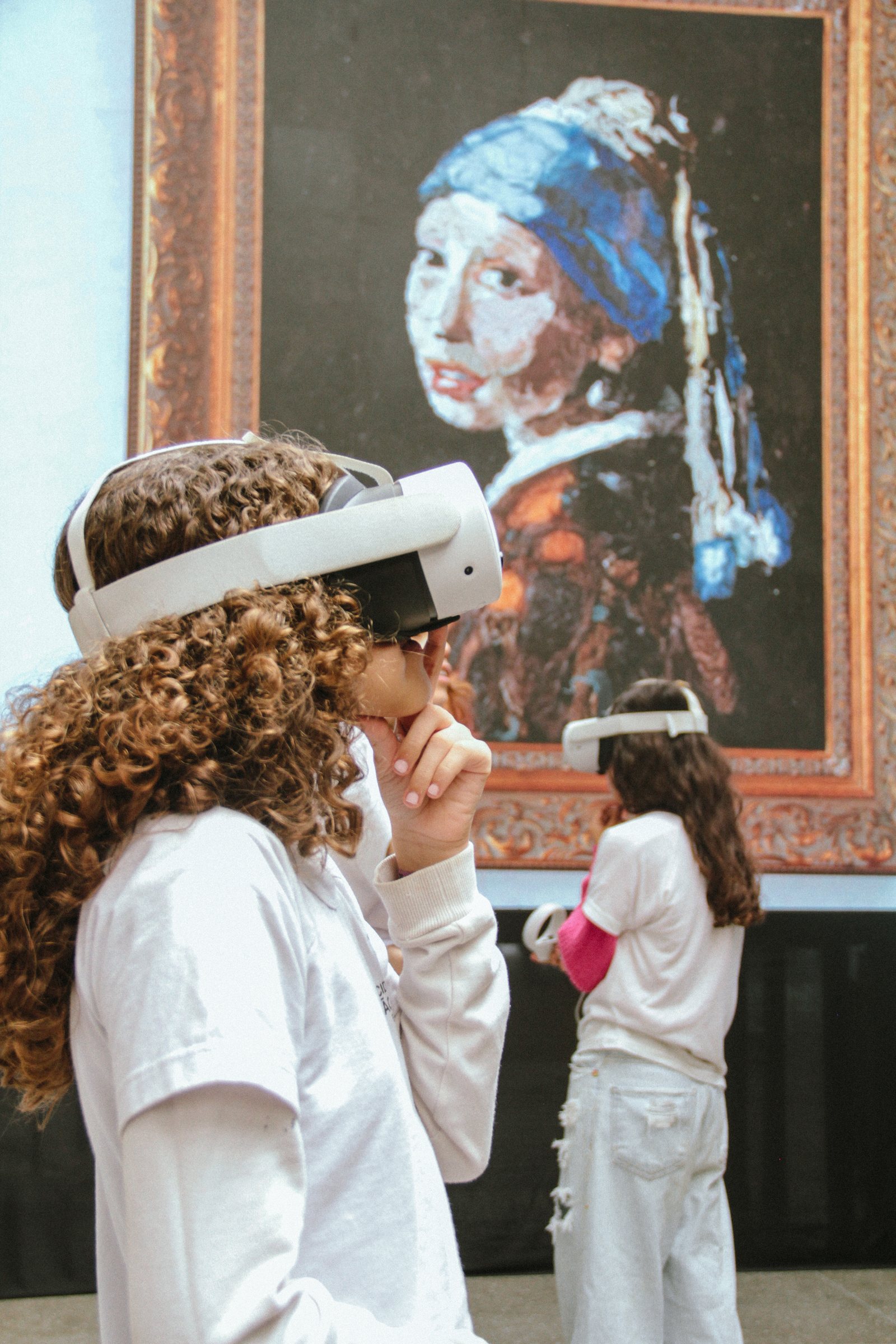
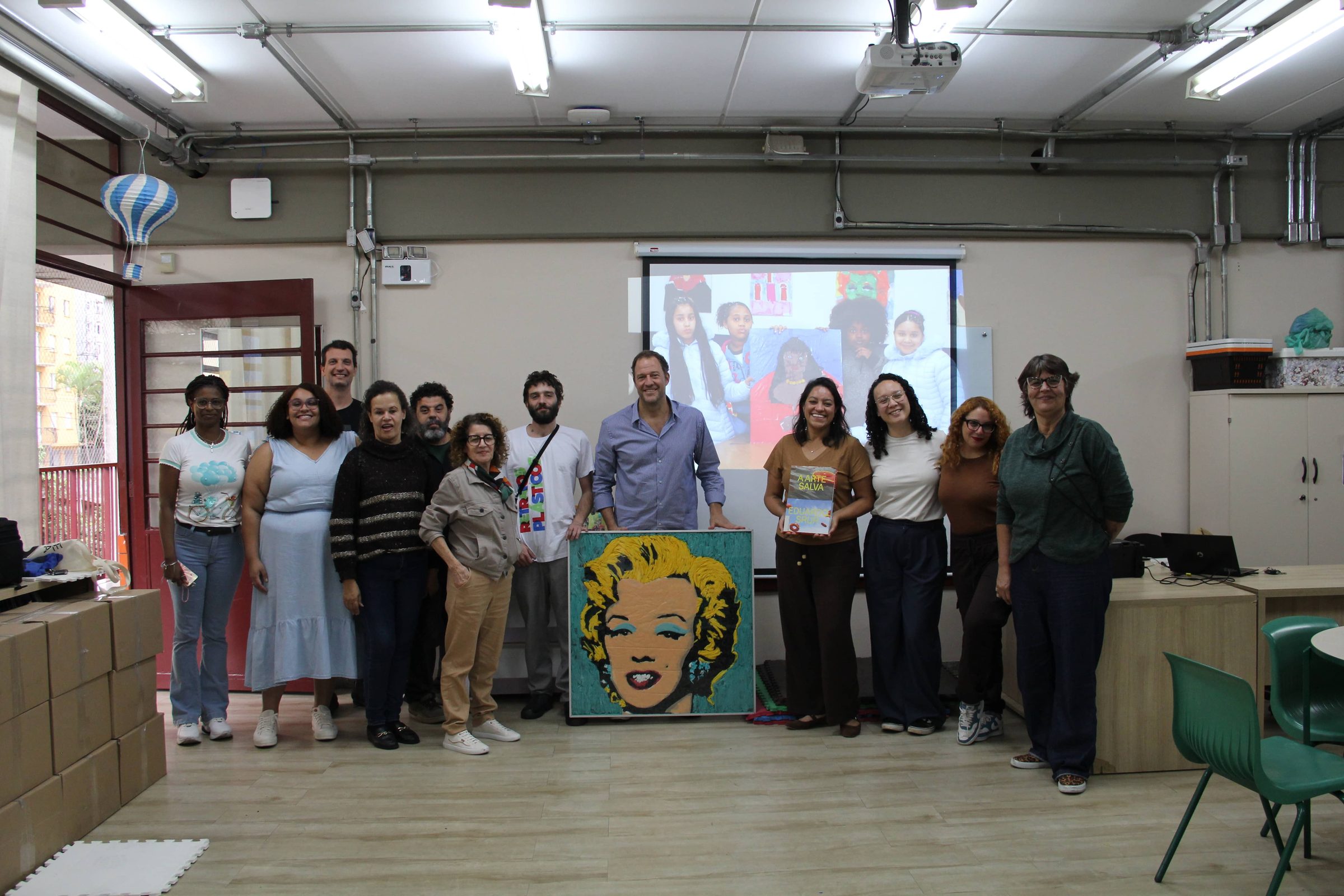
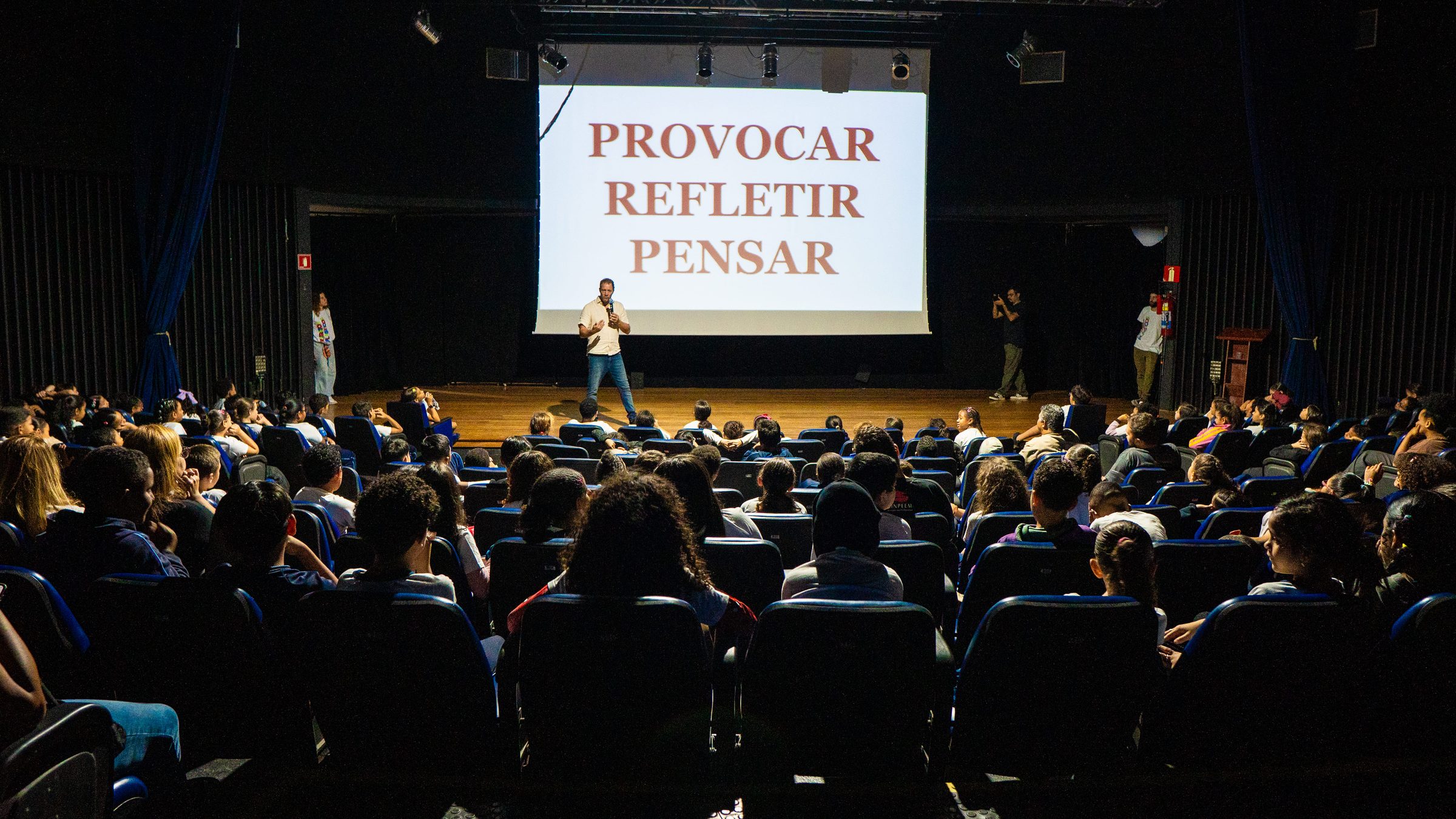
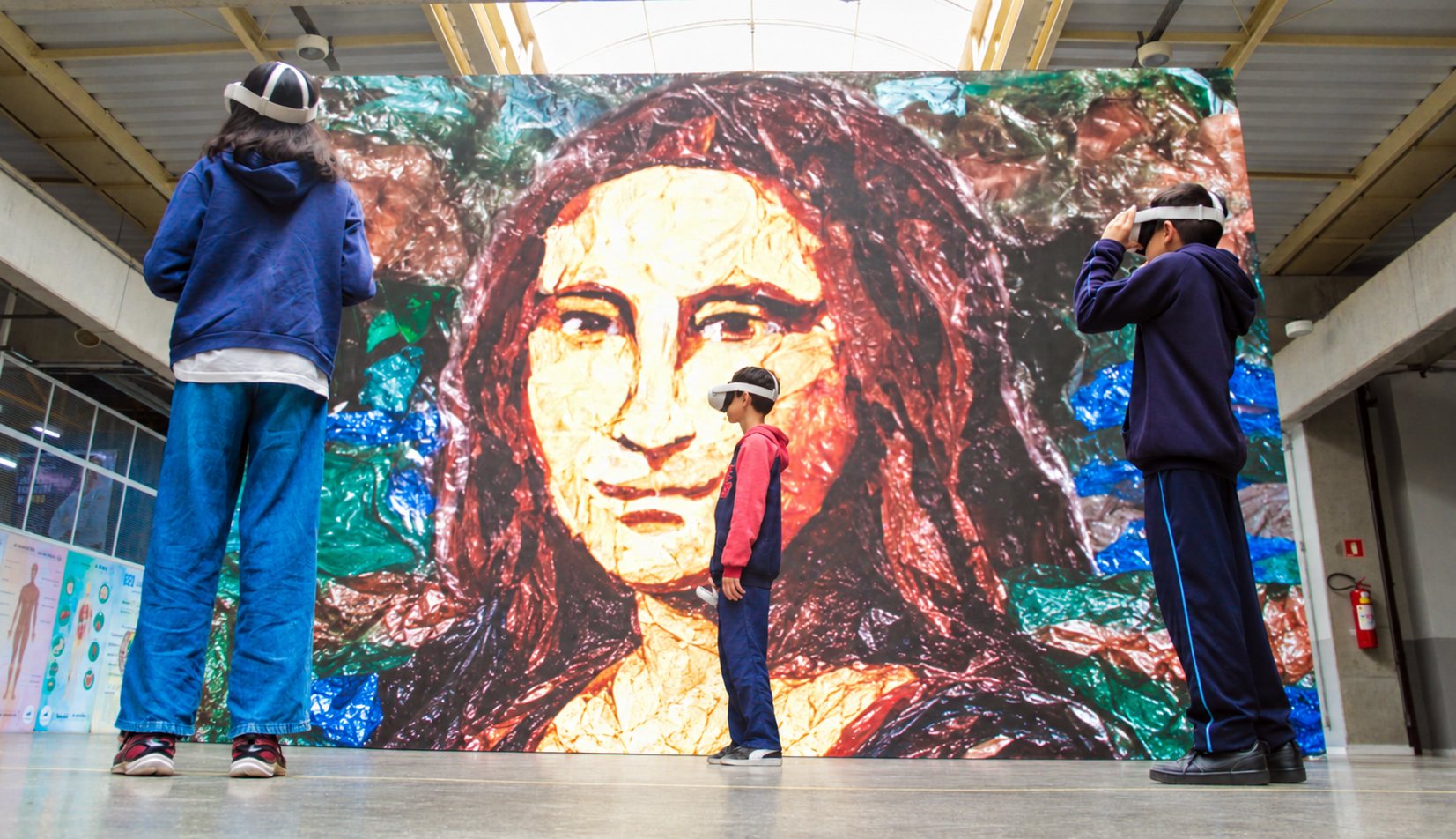
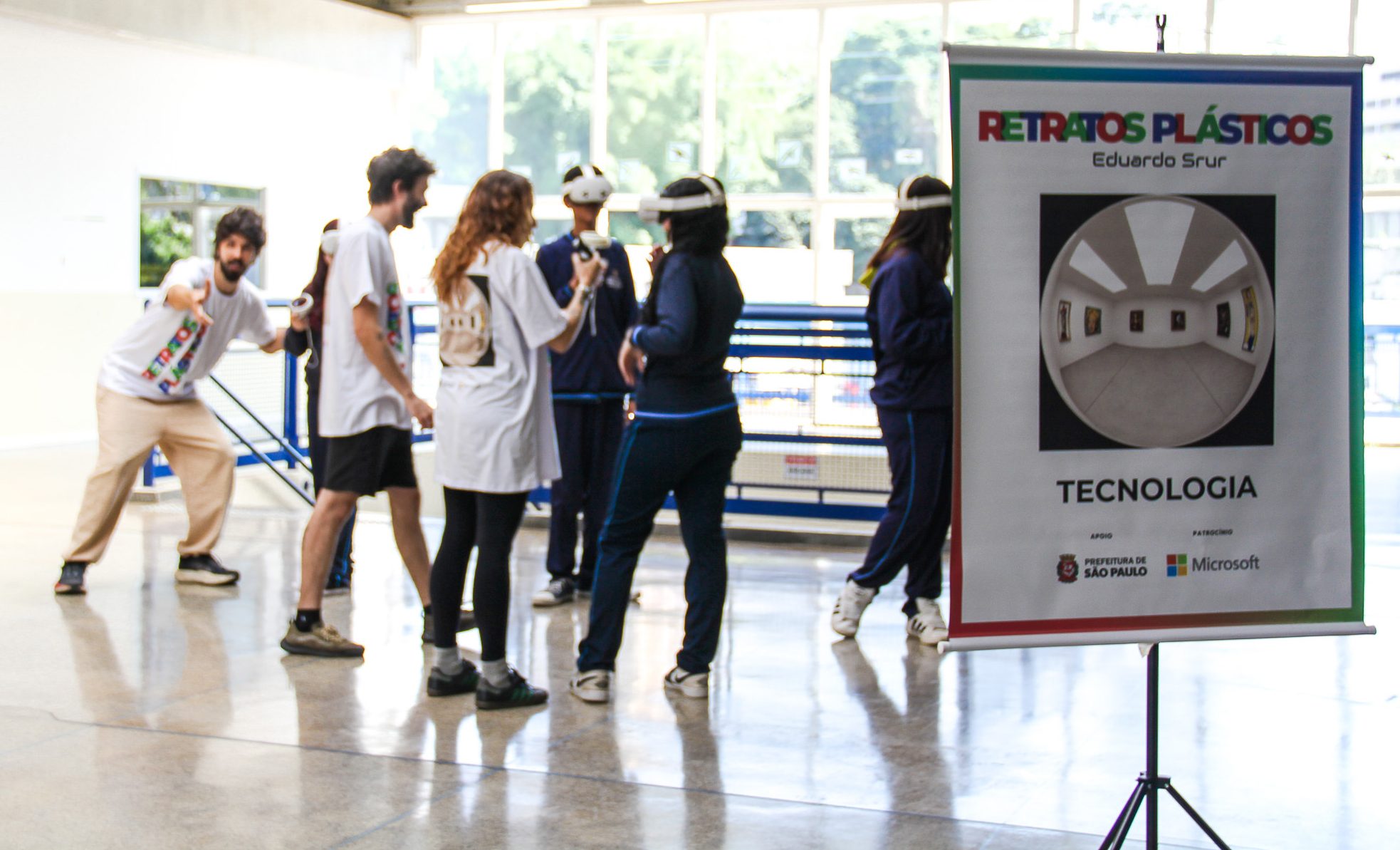
The “Retratos Plásticos” project, conceived by artist Eduardo Srur, brought an experience combining art, technology, and environmental education to the Jaguaré, Uirapuru, and Casa Blanca CEUs in São Paulo. Approximately 1,500 students and teachers participated in a program that integrated a 3D virtual gallery, in-person workshops, and exhibitions open to the community.
Focusing on the representation of the portrait in painting, the project introduced participants to works and artists from art history through digital exploration and collective creation. Some of the works selected as references are part of the collection of the Assis Chateaubriand Museum of Art of São Paulo (MASP), establishing a connection with the city’s artistic heritage.
From the virtual gallery to creating art from plastic waste
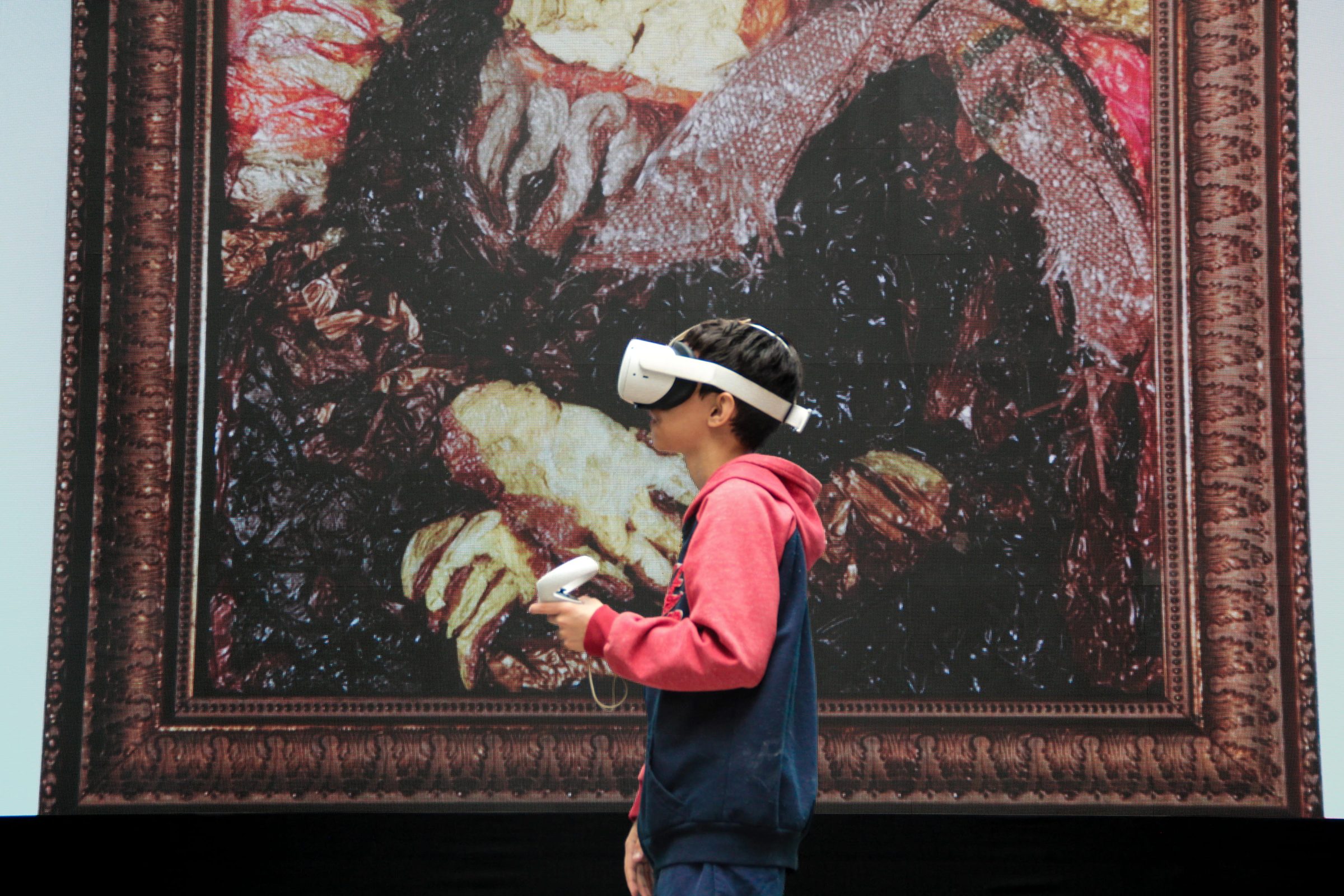
The journey began in a 3D virtual gallery developed specifically for the project. In this environment, the students explored works by Eduardo Srur inspired by masters of painting—such as Pablo Picasso, Andy Warhol, Francisco de Goya, and Johannes Vermeer—and accessed multimedia content on art history and ecology.
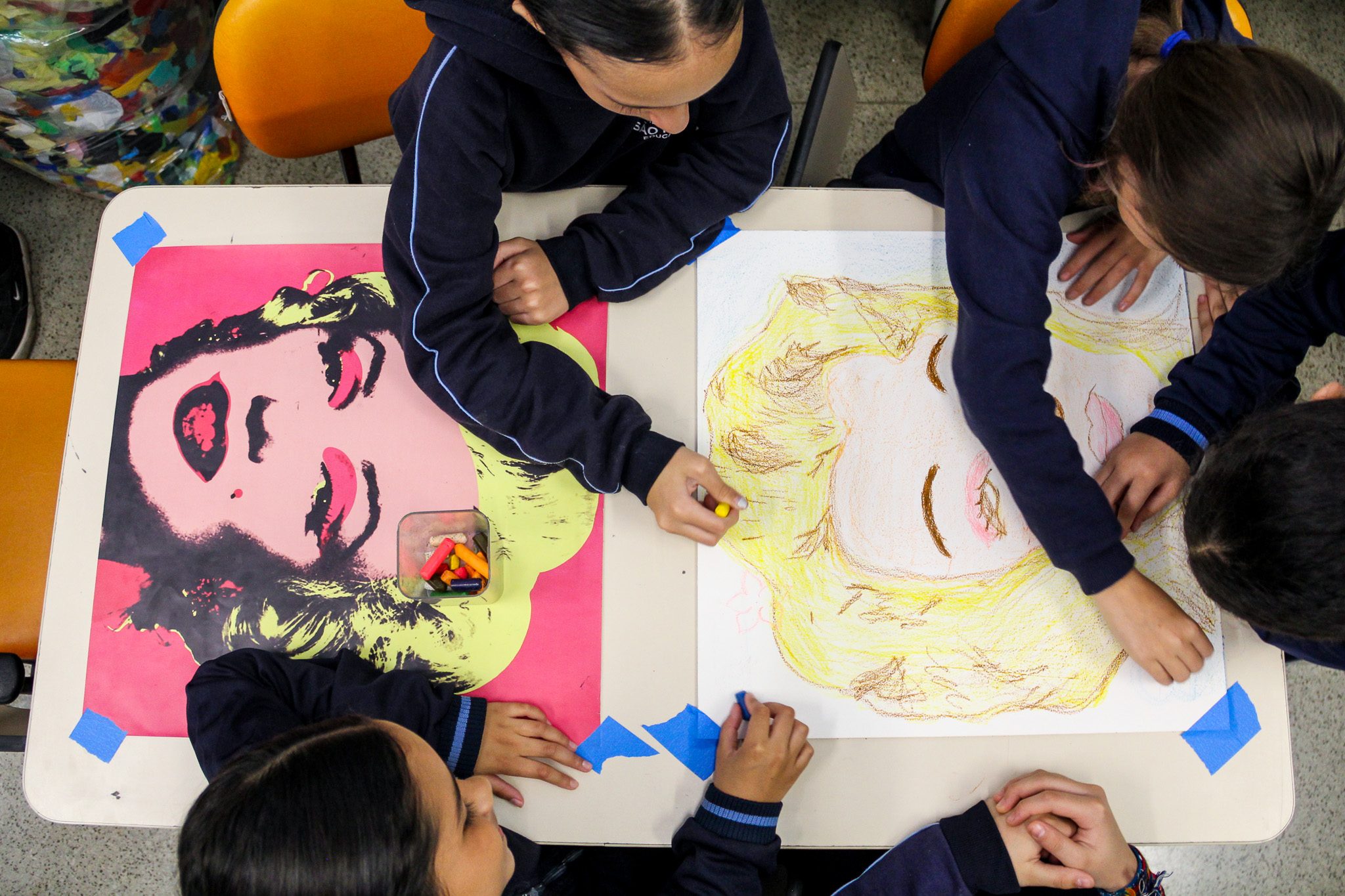
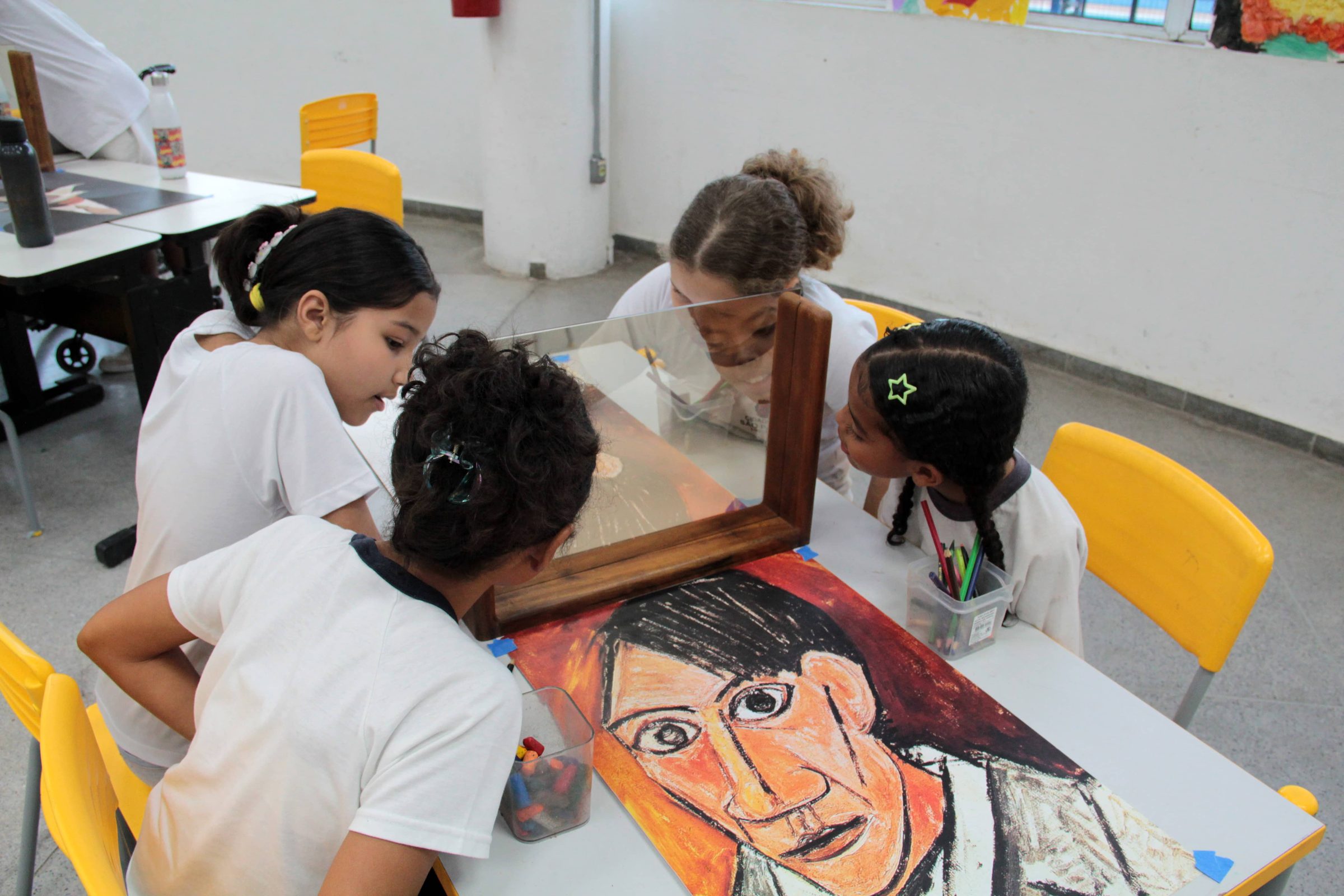
In the in-person workshops, participants transformed this repertoire into artistic creation. Using plastic waste as both raw material and visual language, they collectively produced reinterpretations of portraits, exploring colors, shapes, and textures. The activities stimulated creativity and provided an opportunity for reflection on consumption, waste, and environmental responsibility.
Exhibitions shared the results with the community
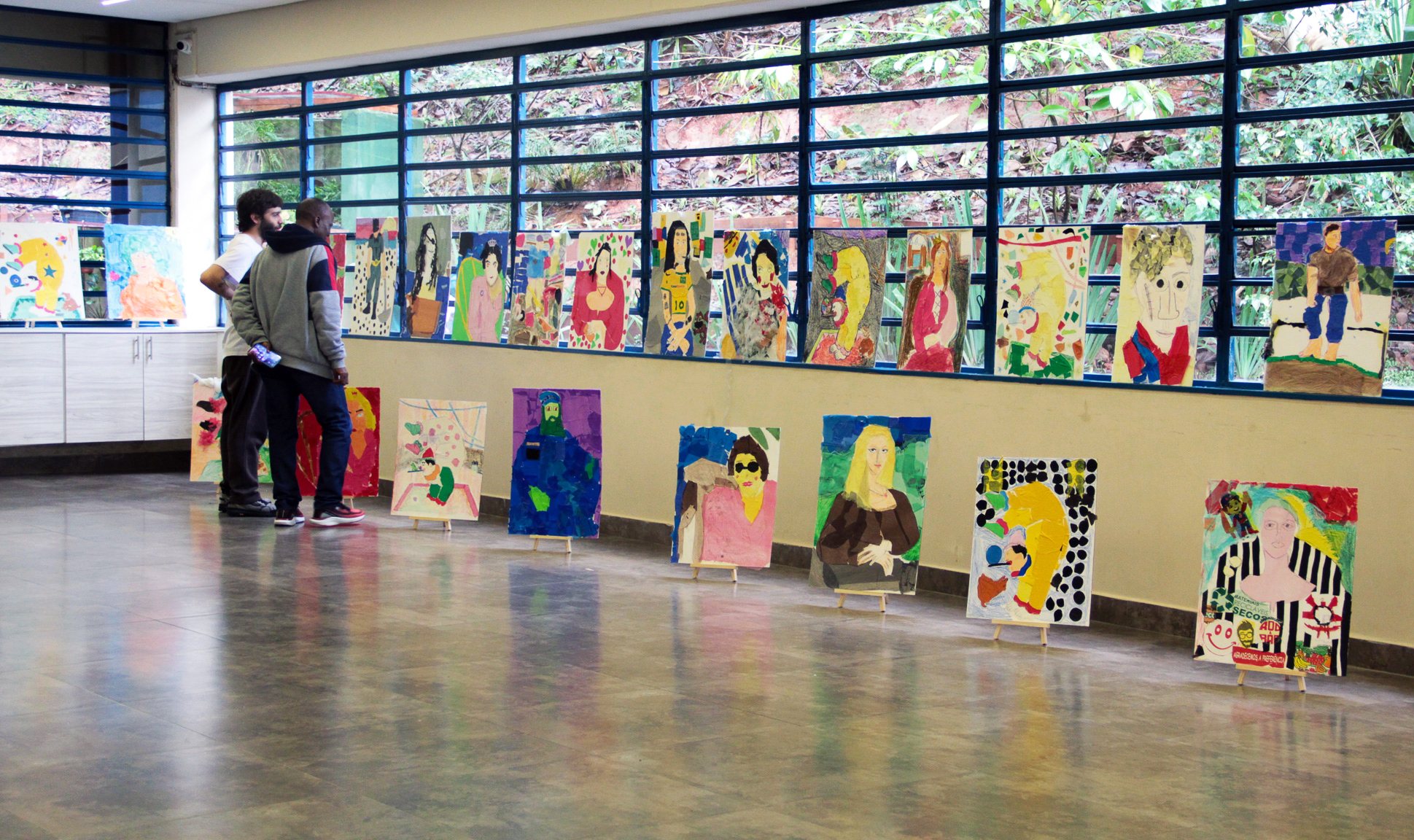
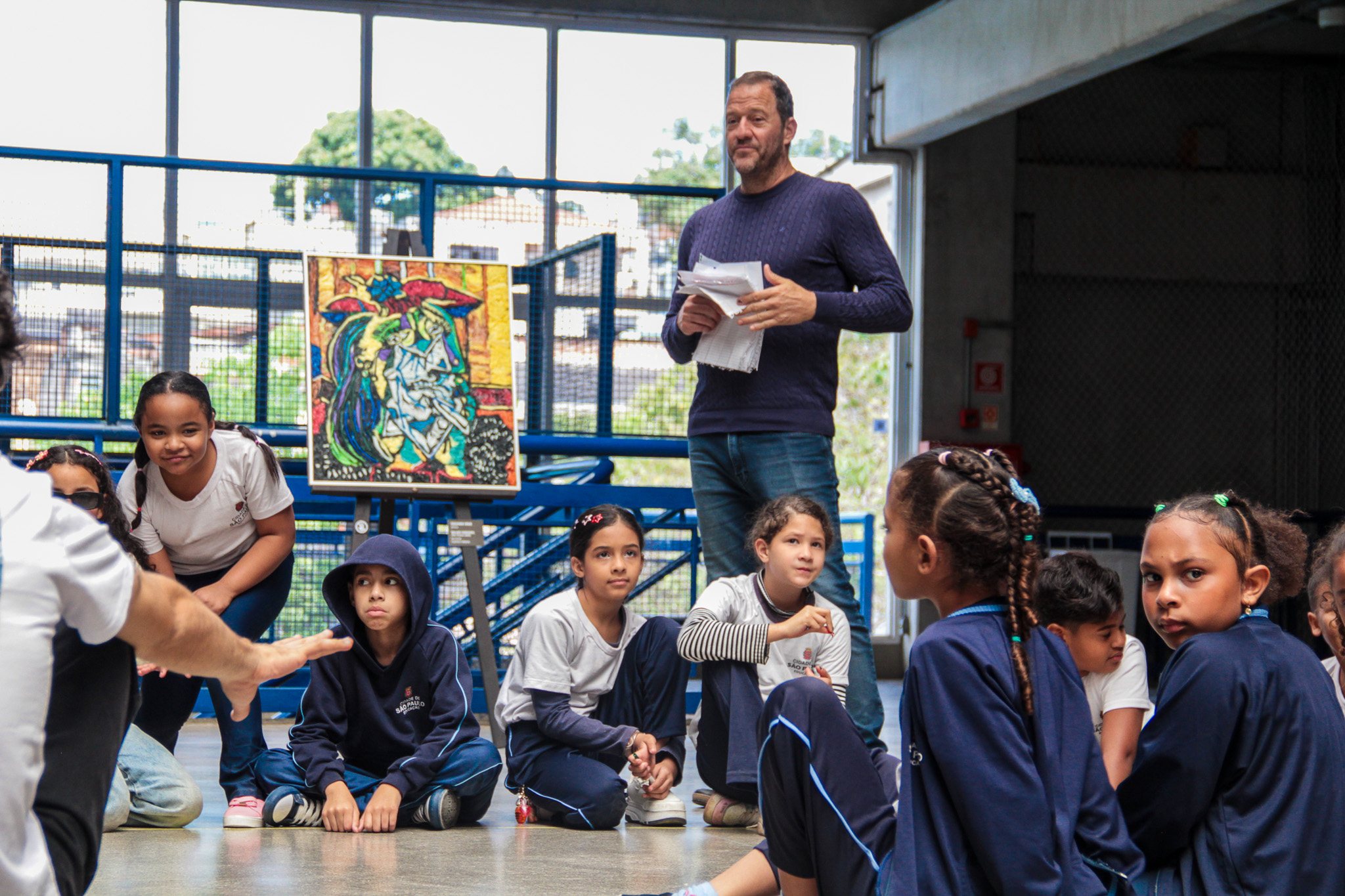
At the end of the program, the students’ work was featured in exhibitions open to the public at the CEUs themselves. The school spaces were transformed into galleries, sharing the results of the workshops with family members, educators, and the community, and highlighting the participants’ creative process.
“Technology expands access to knowledge, but it is the artistic experience that sparks creativity. The Retratos Plásticos project was designed to introduce students to art history through a language they are already familiar with and, based on that experience, to stimulate new forms of creation and expression,” says Srur.
Retratos Plásticos is a project by Eduardo Srur, sponsored by Microsoft and supported by the City of São Paulo through the Municipal Program for Support of Cultural Projects (Pro-Mac).