"Natureza Plástica" Comes to CEU Navegantes
Featuring Works by Eduardo Srur and Students
"Natureza Plástica" Comes to CEU Navegantes with Works by Eduardo Srur and Students
Sponsored by the Motiva Institute, the project transforms discarded plastic
into art and is launching a new edition in Grajaú, in harmony with the landscape of the Billings Reservoir
Sponsored by the Motiva Institute, the project transforms discarded plastic into art and is launching a new edition in Grajaú, in harmony with the landscape of the Billings Reservoir
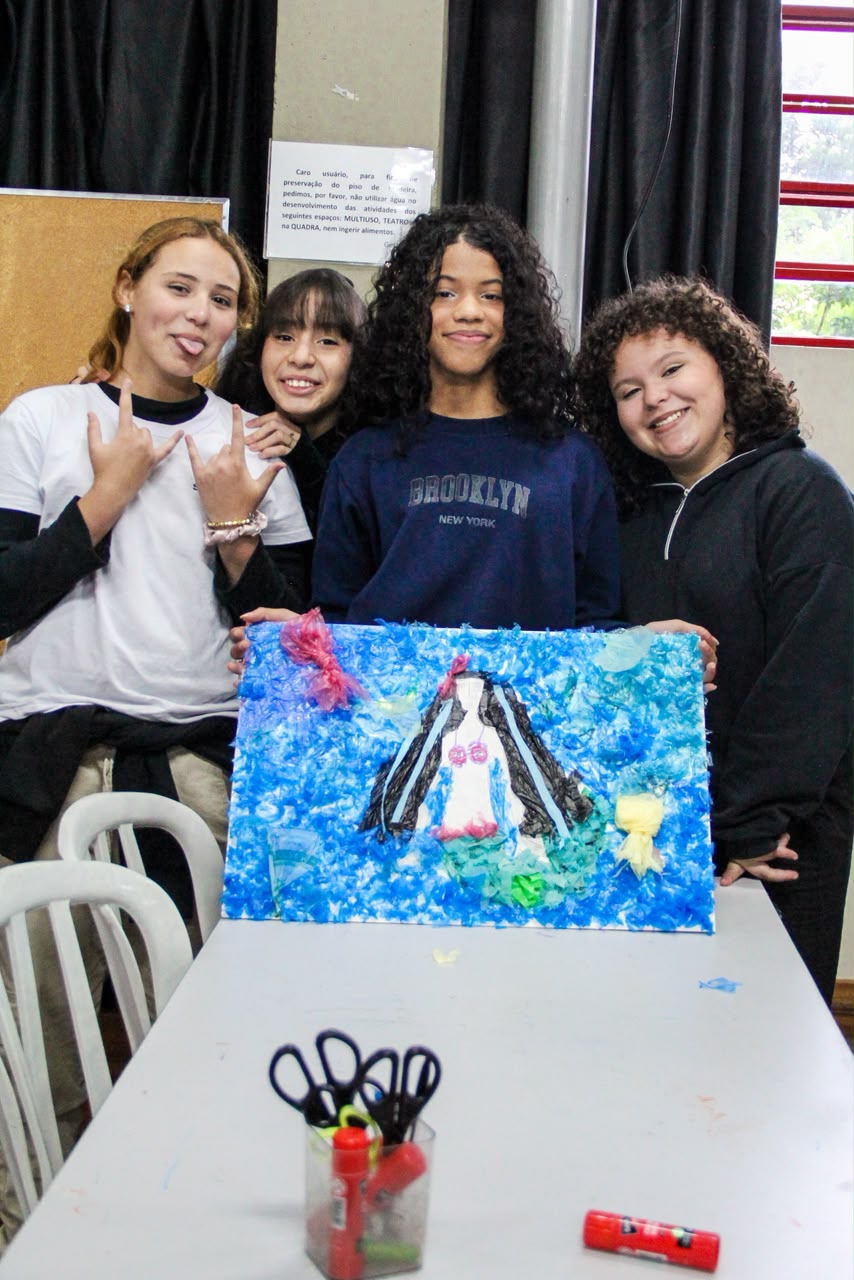
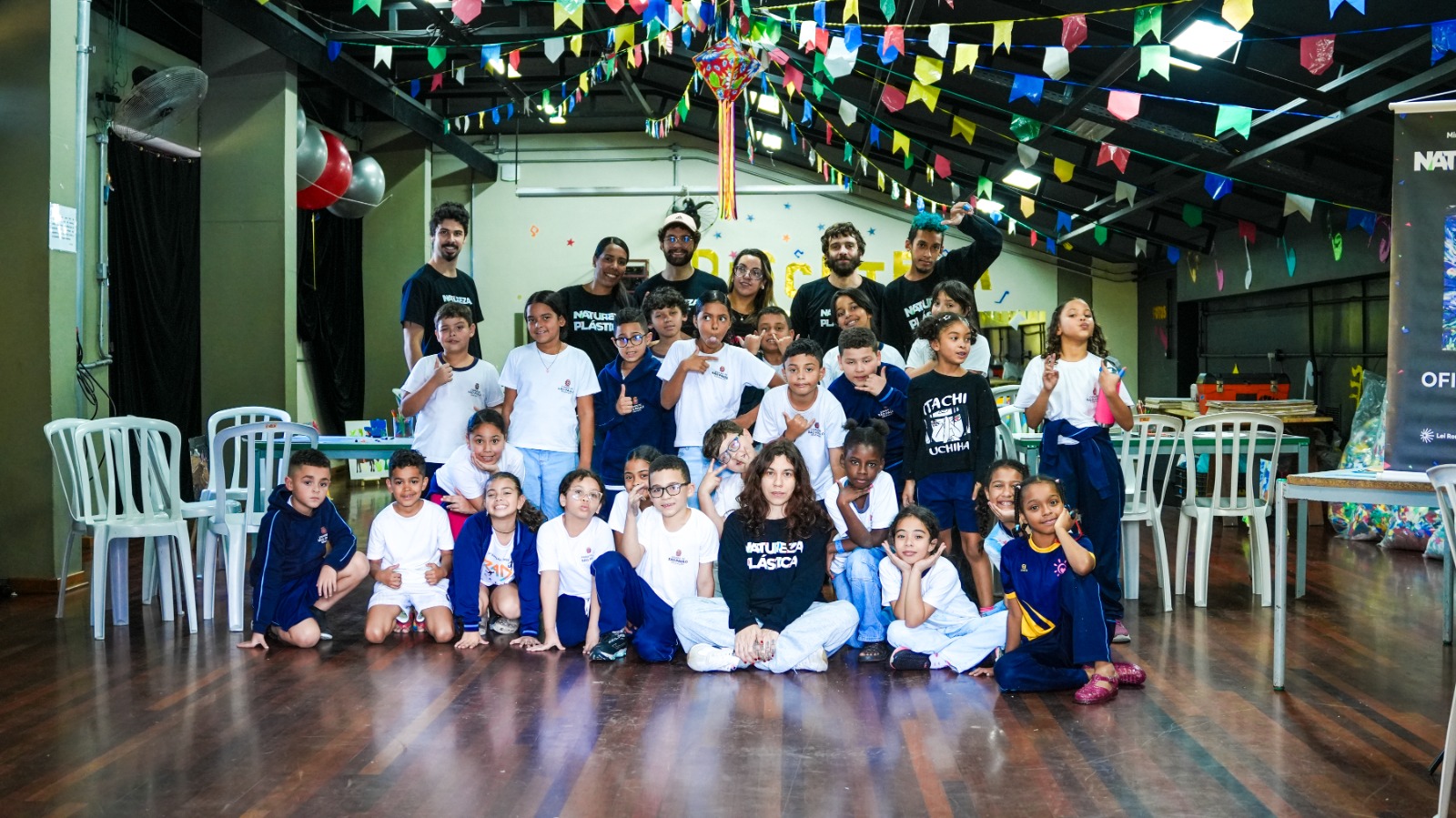
Artist Eduardo Srur is bringing the “Natureza Plástica” project to CEU Navegantes in Grajaú, sponsored by the Motiva Institute. The program includes workshops with students and a group exhibition featuring works by Srur and pieces created by the students during the activities.
The exhibition opens on September 28 at 10 a.m. and showcases the results of this creative process. By bringing together the artist’s works and the students’ creations, the exhibition expands on the workshop experience and brings together different perspectives on art, landscape, and plastic as a raw material.
Located on the shores of the Billings Reservoir, CEU Navegantes establishes a direct connection between the project and its surroundings. In this edition, water serves as one of the starting points for activities with the students, bringing art history closer to the landscape that is part of the students’ daily lives.
Created by Srur, Natureza Plástica brings art and environmental education together by transforming discarded plastic into raw material for artistic creation. The project draws on well-known works from art history, which the artist recreates using fragments of plastic, and brings this repertoire to schools and CEUs through meetings and workshops.
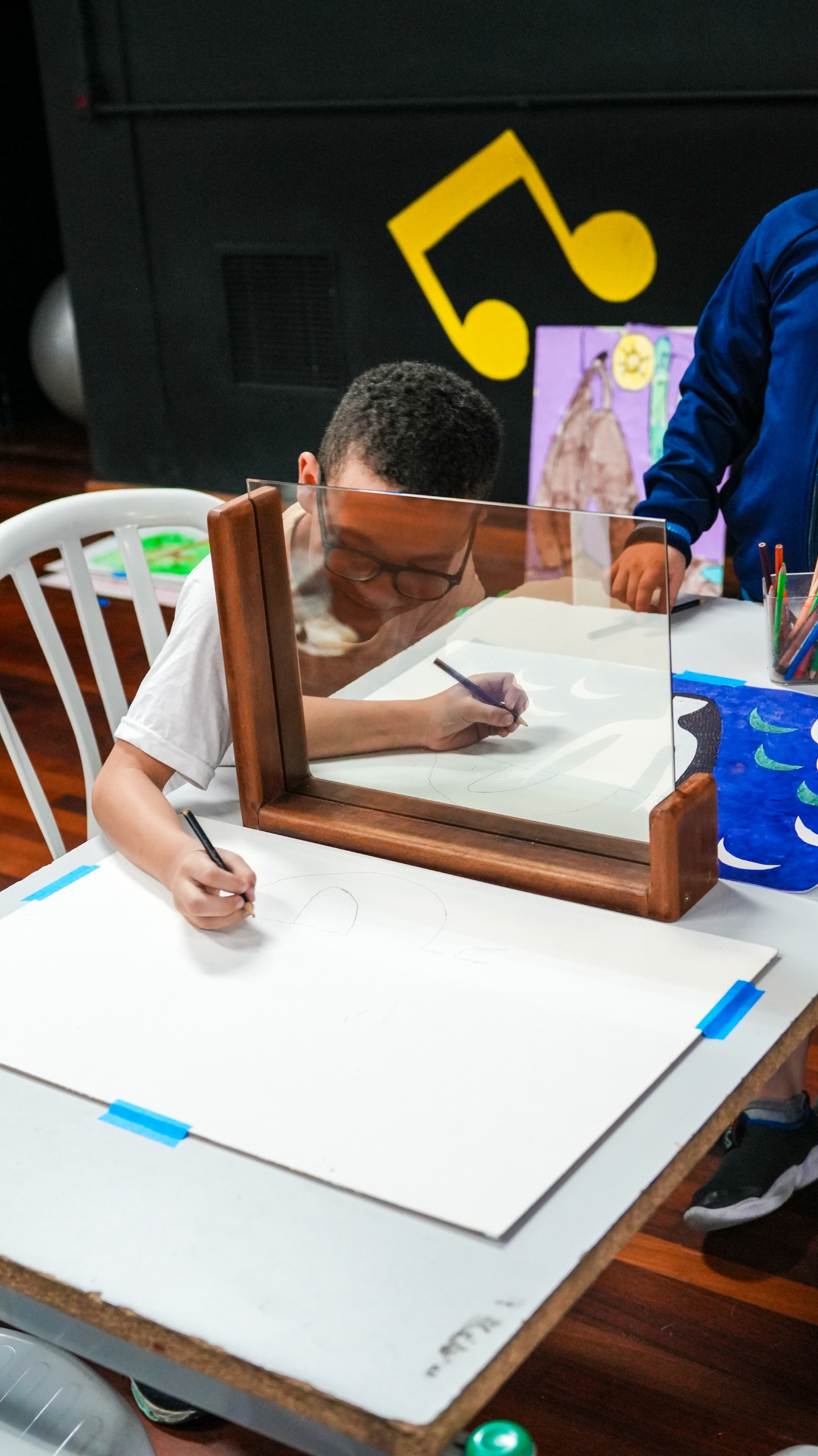
At Navegantes, the exhibition will feature reinterpretations of Hokusai’s *The Great Wave*; Anita Malfatti’s *The Lighthouse*; Munch’s *The Scream*; Tarsila do Amaral’s *Urutu*; and Van Gogh’s *Starry Night*. The first three works spark a conversation about the presence of water in art. In the workshops, this exploration expands to include references to José Pancetti, Fulvio Pennacchi, and Alfredo Volpi—artists whose works also feature different representations of the sea, water, and their elements.
Drawing from this repertoire, students develop their own reinterpretations using discarded plastic. The process connects artistic creation to issues of consumption, waste, and the environment, and invites students to observe the territory in which they live.
.jpeg)
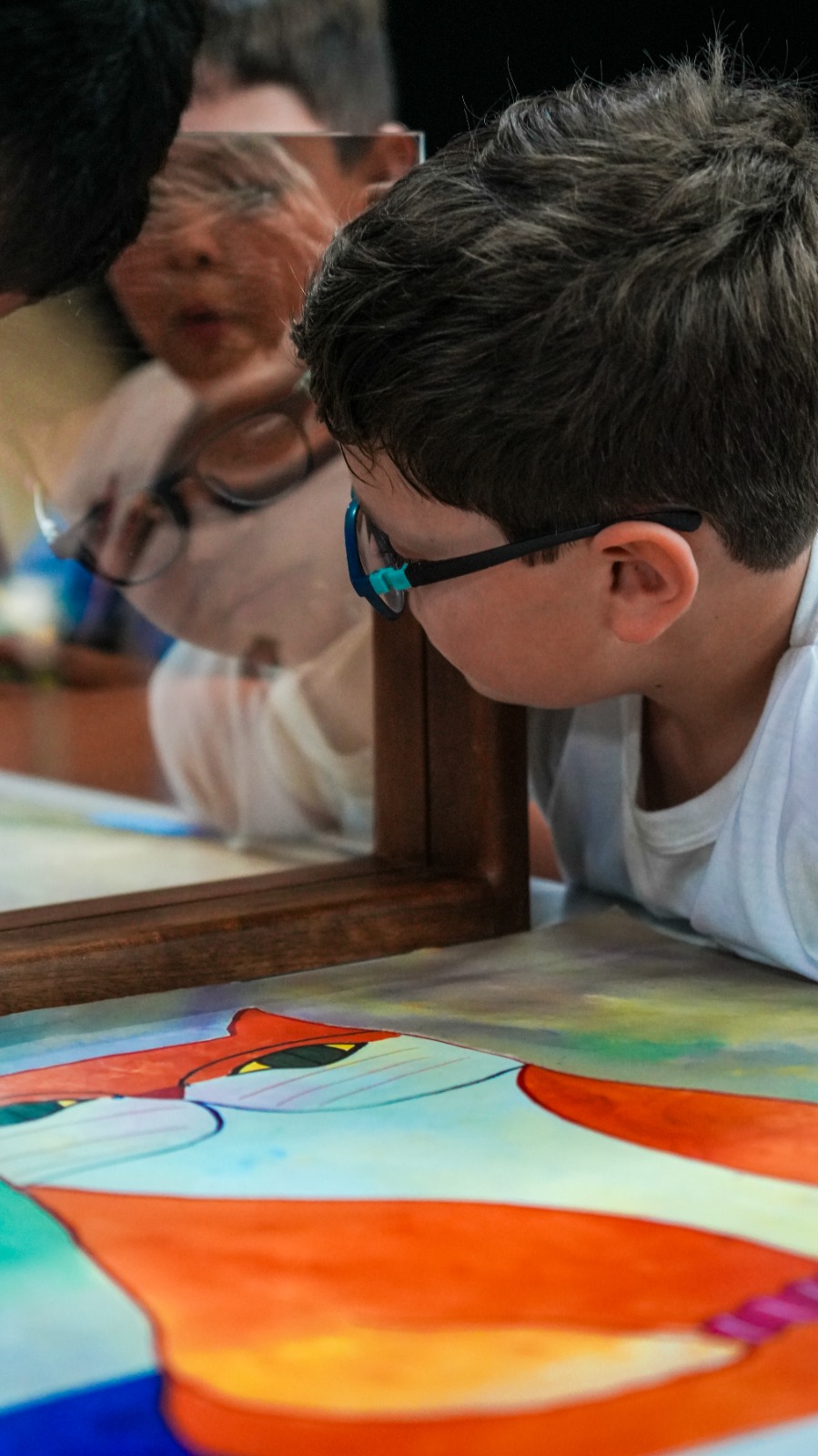
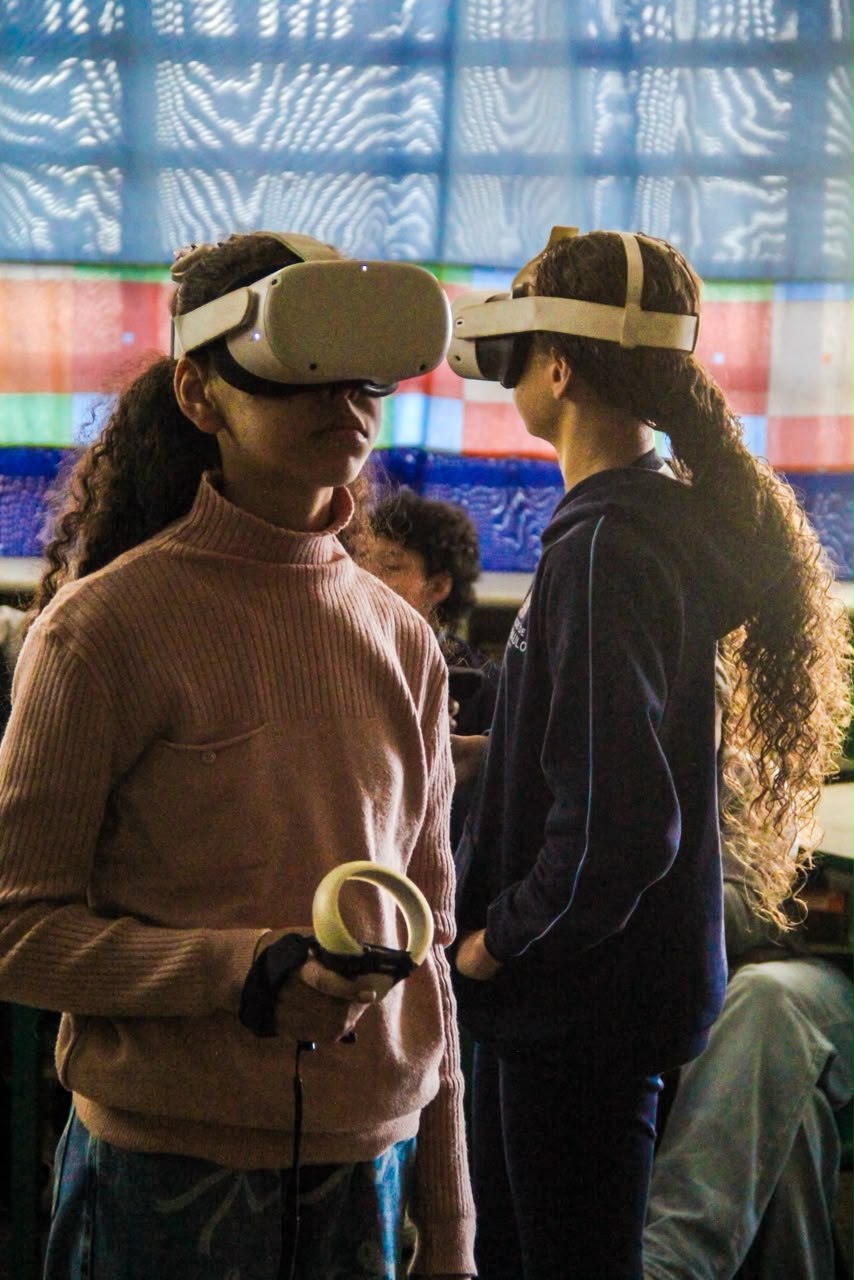
The Navegantes event also features the participation of 14 students with disabilities. They take part in the activities accompanied by a team of mentors—including art educators—with direct support from their schools based on each student’s needs. Some middle school classes will also have a virtual reality experience, broadening their engagement with the artworks and the world of art.